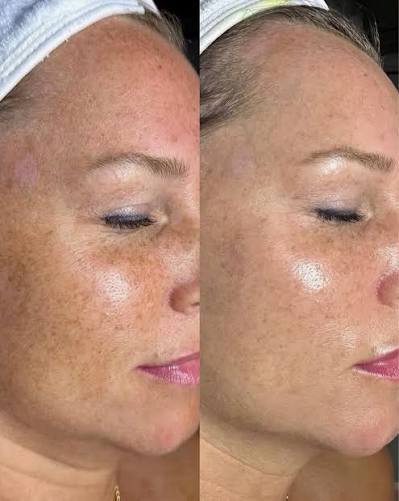
Tell us what you'd most like to improve and how long you have until your event, and see the most suitable treatment options Georgina may recommend. These are planning options, not automatic prescriptions, and what is genuinely appropriate is always confirmed at assessment.
Choose a concern and a timing above to see the treatment options Georgina may recommend for your event.
Your personalised event planGlowing skin · 6+ months
A countdown to your event
EARLIER IN YOUR PLANDepending on your skin and assessment, options at this stage may include:
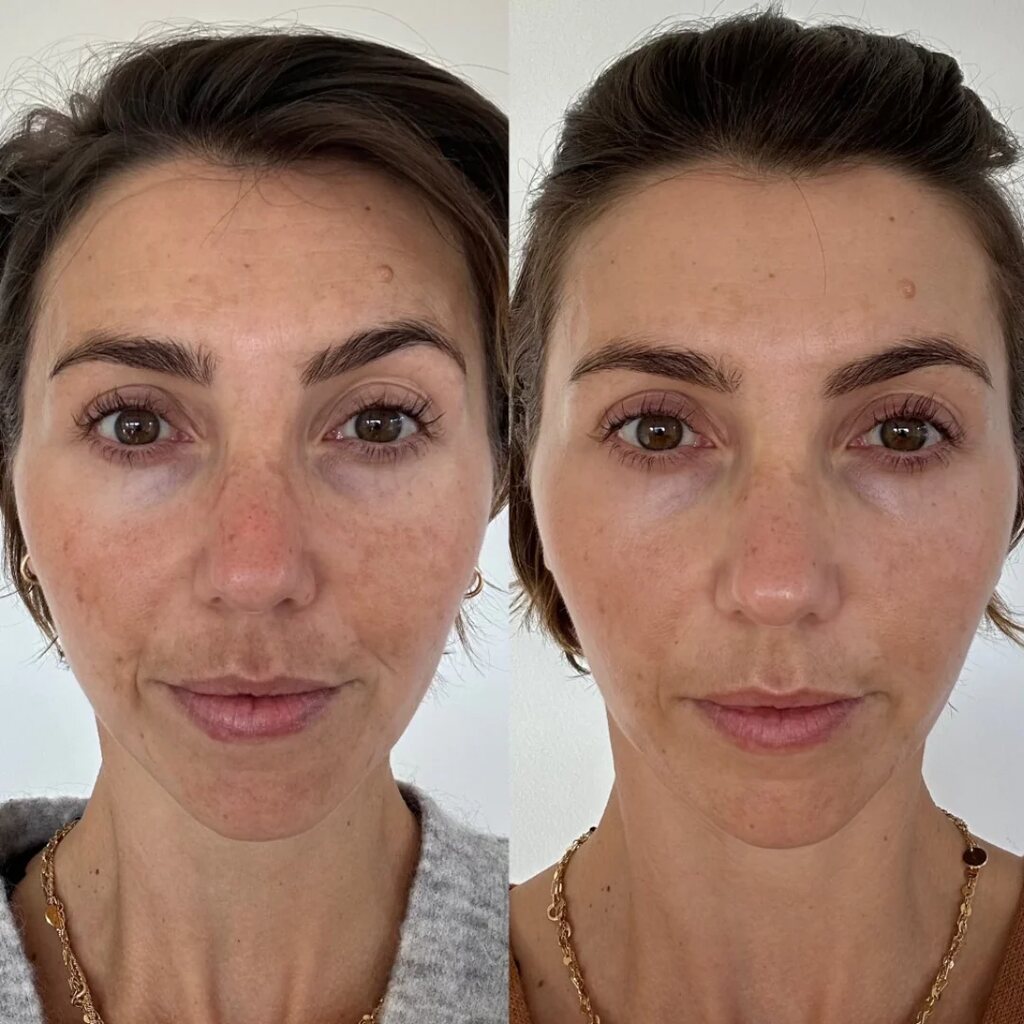
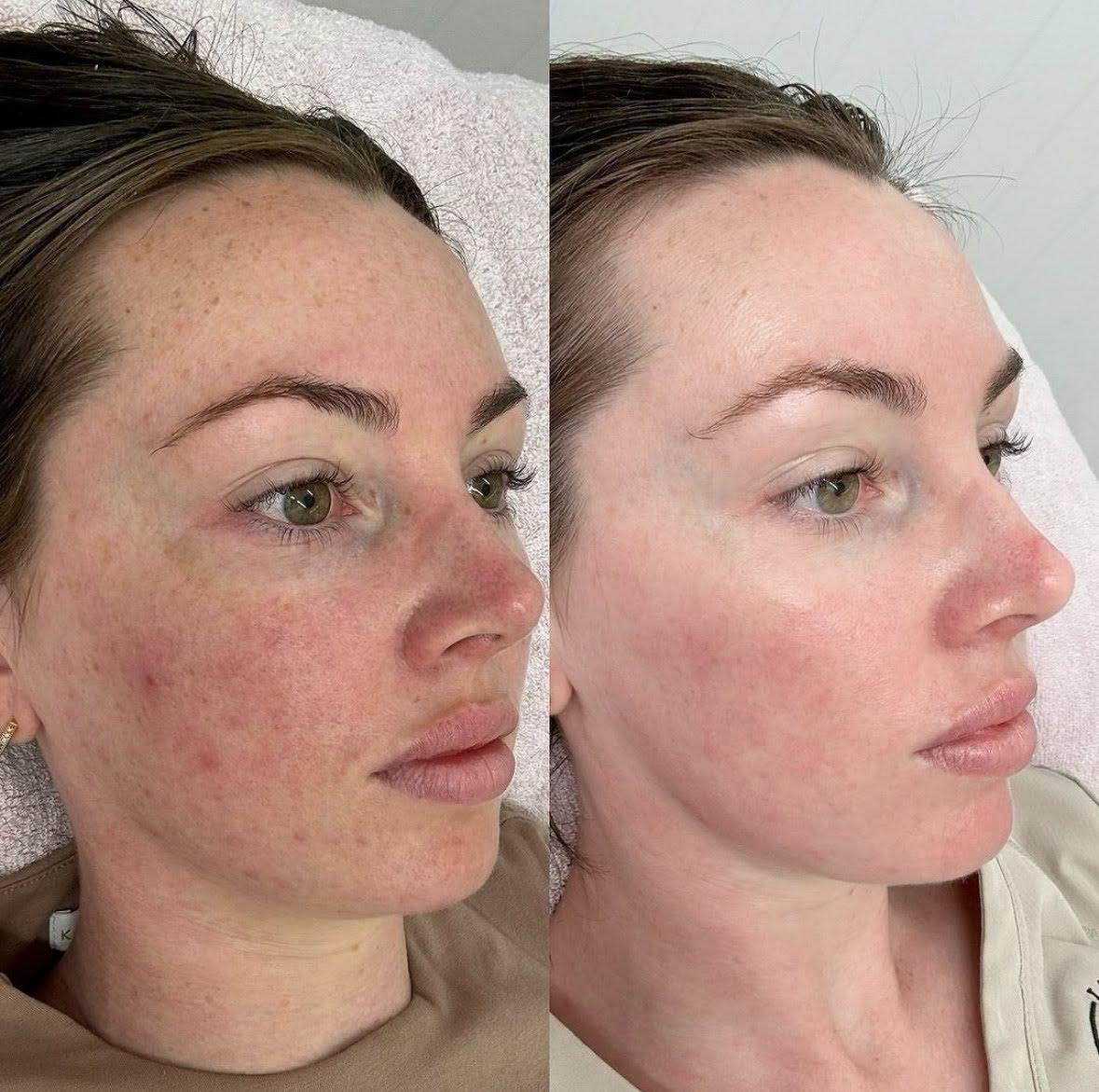
Dermapen 4 / Advanced MicroneedlingWith time on your side, microneedling can form part of a longer-term plan to improve overall skin quality, texture and radiance. PDRN or exosomes may be incorporated where appropriate.
Profhilo / Polynucleotides / Skin BoostersA skin-quality injectable may also be considered where hydration, elasticity and overall skin quality are part of the goal.
AS YOUR EVENT APPROACHESDepending on your skin and assessment, options at this stage may include:
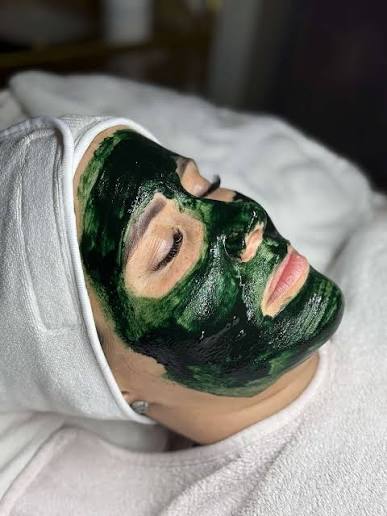
BioRePeel / KRX Green Sea PeelResurfacing may be introduced where your skin would benefit from working on dullness, uneven texture or post-blemish marks. The right option depends on your skin and how much recovery time we want to allow.
Targeted Photobiodynamic Skin Therapy / Bespoke Skin TreatmentA targeted or bespoke treatment can be selected around what your skin needs as the event approaches.
CLOSER TO YOUR EVENTDermaplaning Glow FacialCloser to the event, dermaplaning can be used as a finishing treatment for smoother, brighter-looking skin.
You would not necessarily have every treatment shown. Your plan is selected according to your skin, treatment history, available time and how your skin responds.
Your personalised event planGlowing skin · 6 to 8 weeks
A countdown to your event
EARLIER IN YOUR PLANDepending on your skin and assessment, options at this stage may include:
Dermapen 4 / Advanced MicroneedlingThere is still time to work on skin quality rather than focusing only on a last-minute glow. Microneedling may be considered early enough in the window, depending on your skin and previous treatment experience.
Profhilo / Polynucleotides / Skin BoostersA skin-quality injectable may be appropriate, although whether a course fits comfortably before your event would be assessed individually.
AS YOUR EVENT APPROACHESDepending on your skin and assessment, options at this stage may include:
BioRePeel / KRX Green Sea PeelResurfacing may be considered with enough time allowed for your skin to settle. Green Sea Peel is a more active treatment and would be selected more cautiously.
Targeted Photobiodynamic Skin Therapy / Bespoke Skin TreatmentThese can be tailored to the condition of your skin, with Photobiodynamic timing depending on the peel and pathway selected.
CLOSER TO YOUR EVENTDermaplaning Glow FacialA finishing treatment may then be considered closer to the event if appropriate.
You would not necessarily have every treatment shown. Your plan is selected according to your skin, treatment history, available time and how your skin responds.
Your personalised event planGlowing skin · Around 1 month
A countdown to your event
EARLIER IN YOUR PLANDepending on your skin and assessment, options at this stage may include:
Dermapen 4 / Advanced MicroneedlingMicroneedling may still be considered early enough in the window, particularly when your skin is settled and we already understand how it responds.
BioRePeelAn appropriate resurfacing treatment may still fit into the plan with enough time for the skin to settle.
AS YOUR EVENT APPROACHESTargeted Photobiodynamic Skin Therapy / Bespoke Skin TreatmentThis may be a better route where we want to improve luminosity and overall skin appearance without beginning a longer programme. Photobiodynamic timing depends on the pathway selected.
CLOSER TO YOUR EVENTDermaplaning Glow FacialDermaplaning can be considered nearer the event as a finishing treatment for smoothness and glow.
Not recommended in this windowBeginning an ambitious new multi-treatment programme simply because the event is approaching.
You would not necessarily have every treatment shown. Your plan is selected according to your skin, treatment history, available time and how your skin responds.
Your personalised event planGlowing skin · 2 weeks or less
A countdown to your event
IN THE TIME YOU HAVEDepending on your skin and assessment, options at this stage may include:
Bespoke Skin TreatmentAt this point, I would prioritise making your skin look healthy, hydrated and settled rather than trying to create a major change in a short period.
BioRePeelThis would only be considered if you have had the treatment before, tolerated it well and there is enough time for your individual skin to settle.
Targeted Photobiodynamic Skin TherapyMay be considered if you have previously tolerated the selected pathway well and the peel being used is appropriate for the time available before your event.
CLOSER TO YOUR EVENTDermaplaning Glow FacialWhere suitable, dermaplaning can be used as a finishing treatment to create a smoother, fresher-looking surface.
Not recommended in this windowStarting Dermapen, Green Sea Peel, a new injectable course or another unfamiliar active treatment purely for the event.
You would not necessarily have every treatment shown. Your plan is selected according to your skin, treatment history, available time and how your skin responds.
Your personalised event planGlowing skin · Final few days
A countdown to your event
IN THE TIME YOU HAVEA gentle Bespoke Skin TreatmentThe priority now is calm, hydrated, predictable skin. I would keep the treatment gentle and work with what your skin already tolerates well rather than trying to change it dramatically.
Not recommended in this windowMicroneedling, injectables, BioRePeel, Green Sea Peel, Targeted Photobiodynamic Skin Therapy or introducing another unfamiliar active treatment.
Your treatment is selected according to your skin, treatment history, available time and how your skin responds.
Your personalised event planLift & firmness · 6+ months
A countdown to your event
EARLIER IN YOUR PLANDepending on your skin and assessment, options at this stage may include:
Ultraformer III HIFUWhere laxity and structural lifting are the main concern, HIFU may be considered. Its response develops gradually, which is why having time on your side matters.
Dermapen 4 / Advanced MicroneedlingWhere improving the quality and appearance of the skin itself is part of the goal, microneedling may be considered to work on collagen, texture, fine lines and overall skin quality.
Profhilo / Polynucleotides / Skin BoostersA skin-quality injectable may also be considered where hydration, elasticity and overall skin quality are part of the concern.
These are different treatment approaches rather than substitutes for one another. The appropriate route is selected according to your skin, the type of firmness or laxity being treated, your treatment history and your event date.
You would not necessarily have every treatment shown. Your plan is selected according to your skin, treatment history, available time and how your skin responds.
Your personalised event planLift & firmness · 6 to 8 weeks
A countdown to your event
EARLIER IN YOUR PLANDepending on your skin and assessment, options at this stage may include:
Ultraformer III HIFUHIFU may still be considered, but because lifting develops gradually, I would assess whether your event date leaves enough time for the kind of change you're hoping to see.
Dermapen 4 / Advanced MicroneedlingMicroneedling may also be considered early enough in this window where improving skin quality, texture, fine lines and the appearance of firmness is part of the goal.
Profhilo / Polynucleotides / Skin BoostersSkin-quality injectables may also form part of the plan where hydration, elasticity and the quality of the skin itself are part of the concern.
These are different treatment approaches rather than a package or mandatory sequence. The appropriate route is selected according to your skin, treatment history, available time and the type of firmness or laxity you would like to address.
You would not necessarily have every treatment shown. Your plan is selected according to your skin, treatment history, available time and how your skin responds.
Your personalised event planLift & firmness · Around 1 month
A countdown to your event
IN THE TIME YOU HAVEDepending on your skin and assessment, options at this stage may include:
Dermapen 4 / Advanced MicroneedlingMicroneedling may still be considered early enough in the window where improving the quality, texture and appearance of firmness in the skin is part of the goal and the available recovery time is appropriate.
Profhilo / Polynucleotides / Skin BoostersIf improving skin quality is part of what you're seeing as “firmness”, an appropriate injectable may still be worth discussing. It would not be presented as a substitute for structural lifting.
Bespoke Skin TreatmentWe can also shift the focus towards making the complexion look healthy and refreshed for the event itself.
Not recommended in this windowBeginning HIFU specifically in expectation of achieving your desired lifting result by the event.
You would not necessarily have every treatment shown. Your plan is selected according to your skin, treatment history, available time and how your skin responds.
Your personalised event planLift & firmness · 2 weeks or less
A countdown to your event
IN THE TIME YOU HAVEDepending on your skin and assessment, options at this stage may include:
Bespoke Skin TreatmentWith two weeks to go, I wouldn't begin a longer-term lifting plan specifically for the event. At this stage I'd focus on skin quality, hydration and making the complexion look its best, then address lifting properly afterwards.
BioRePeelOnly where you have had it before, tolerated it well and your skin is suitable this close to the event.
CLOSER TO YOUR EVENTDermaplaning Glow FacialWhere suitable, dermaplaning may also be considered as a finishing treatment for the skin itself.
Not recommended in this windowStarting a treatment programme specifically to create structural lifting before the event, or introducing an unfamiliar active treatment.
You would not necessarily have every treatment shown. Your plan is selected according to your skin, treatment history, available time and how your skin responds.
Your personalised event planLift & firmness · Final few days
A countdown to your event
IN THE TIME YOU HAVEA gentle Bespoke Skin TreatmentThis close to the event, the priority changes. Rather than trying to create structural lifting in a few days, I would concentrate on calm, hydrated, healthy-looking skin and plan any longer-term lifting treatment for afterwards.
Not recommended in this windowBeginning HIFU, injectables, active resurfacing or another unfamiliar treatment specifically for the event.
Your treatment is selected according to your skin, treatment history, available time and how your skin responds.
Your personalised event planScarring & texture · 6+ months
A countdown to your event
EARLIER IN YOUR PLANDepending on your skin and assessment, options at this stage may include:
Dermapen 4 / Advanced MicroneedlingWith several months available, we have time to work on texture and scarring as a longer-term concern rather than trying to disguise it immediately before the event.
BioRePeel / KRX Green Sea PeelResurfacing may also form part of the plan where uneven texture, post-blemish marks or dullness are concerns. Green Sea Peel is a distinct, more active spicule resurfacing treatment and would be selected according to your skin rather than treated as interchangeable with BioRePeel.
Targeted Photobiodynamic Skin Therapy / Bespoke Skin TreatmentTargeted treatment can support the wider plan according to what your skin needs. For Photobiodynamic Therapy, timing depends on the peel and pathway selected.
You would not necessarily have every treatment shown. Your plan is selected according to your skin, treatment history, available time and how your skin responds.
Your personalised event planScarring & texture · 6 to 8 weeks
A countdown to your event
EARLIER IN YOUR PLANDepending on your skin and assessment, options at this stage may include:
Dermapen 4 / Advanced MicroneedlingMicroneedling may still be considered early enough in this window, depending on your skin, the concern being treated and how much recovery time we want to preserve.
BioRePeel / KRX Green Sea PeelResurfacing may also be considered, particularly where you already know how your skin responds. Green Sea Peel would be approached more cautiously because of its more active resurfacing process.
OR, depending on your skin and treatment plan:Targeted Photobiodynamic Skin Therapy / Bespoke Skin TreatmentA targeted approach may be useful where we want to work on the appearance of the skin without unnecessarily stacking multiple active treatments.
Not recommended in this windowTrying to squeeze several corrective treatments into a short period simply because the event is approaching.
You would not necessarily have every treatment shown. Your plan is selected according to your skin, treatment history, available time and how your skin responds.
Your personalised event planScarring & texture · Around 1 month
A countdown to your event
EARLIER IN YOUR PLANDepending on your skin and assessment, options at this stage may include:
Dermapen 4 / Advanced MicroneedlingThis may still be considered early in the window when your skin is settled and the treatment is appropriate for you, particularly if we already know how you respond.
BioRePeelAn appropriate resurfacing treatment may be considered where there is enough time for the skin to settle.
OR, depending on your skin and treatment plan:Targeted Photobiodynamic Skin Therapy / Bespoke Skin TreatmentFor someone where active resurfacing isn't the right choice this close to the event, a more individually selected approach may make better sense.
Not recommended in this windowIntroducing an intensive resurfacing programme or trying to correct established scarring through several closely spaced treatments.
You would not necessarily have every treatment shown. Your plan is selected according to your skin, treatment history, available time and how your skin responds.
Your personalised event planScarring & texture · 2 weeks or less
A countdown to your event
IN THE TIME YOU HAVEDepending on your skin and assessment, options at this stage may include:
Bespoke Skin TreatmentAt this point, the objective changes. Rather than trying to correct established scarring in two weeks, I would focus on making the skin look calmer, healthier and more even for the event.
BioRePeelOnly where you have had it before, tolerated it well and it is appropriate for your skin this close to the event.
Targeted Photobiodynamic Skin TherapyMay be considered if you have previously tolerated the selected pathway well and the peel being used is appropriate for the time available before your event.
CLOSER TO YOUR EVENTDermaplaning Glow FacialWhere suitable, dermaplaning may help improve the appearance and feel of surface texture without pretending to treat the underlying scarring.
Not recommended in this windowBeginning Dermapen, Green Sea Peel or a new intensive resurfacing programme specifically for the event.
You would not necessarily have every treatment shown. Your plan is selected according to your skin, treatment history, available time and how your skin responds.
Your personalised event planScarring & texture · Final few days
A countdown to your event
IN THE TIME YOU HAVEA gentle Bespoke Skin TreatmentThere isn't enough time now to meaningfully correct established scarring. The aim becomes keeping the skin comfortable, calm and looking as healthy as possible for the event.
Not recommended in this windowMicroneedling, active resurfacing, Green Sea Peel, BioRePeel, Targeted Photobiodynamic Skin Therapy or another unfamiliar corrective treatment.
Your treatment is selected according to your skin, treatment history, available time and how your skin responds.
Your personalised event planFine lines & wrinkles · 6+ months
A countdown to your event
EARLIER IN YOUR PLANDepending on your skin and assessment, options at this stage may include:
Dermapen 4 / Advanced MicroneedlingMicroneedling can form part of a longer-term plan where fine lines, texture and overall skin quality are the concern.
Profhilo / Polynucleotides / Skin BoostersAn appropriate skin-quality injectable may be considered depending on whether hydration, elasticity or regenerative skin quality is the priority.
Ultraformer III HIFUWhere laxity is contributing to what you're seeing as lines or ageing, HIFU may be considered separately as part of the overall plan.
BioRePeel / KRX Green Sea PeelResurfacing may also be considered where surface texture and unevenness are contributing to the appearance of the skin.
You would not necessarily have every treatment shown. Your plan is selected according to your skin, treatment history, available time and how your skin responds.
Your personalised event planFine lines & wrinkles · 6 to 8 weeks
A countdown to your event
EARLIER IN YOUR PLANDepending on your skin and assessment, options at this stage may include:
Dermapen 4 / Advanced MicroneedlingMicroneedling may be considered early enough in the window where improving skin texture and the appearance of fine lines is the priority.
Profhilo / Polynucleotides / Skin BoostersA skin-quality injectable may also be appropriate, depending on your skin and whether the available time fits the treatment being considered.
Ultraformer III HIFUIf laxity is part of the concern, HIFU can be discussed separately, with the understanding that its lifting response develops gradually and the event date needs to be considered.
OR, depending on your skin and treatment plan:Targeted Photobiodynamic Skin Therapy / Bespoke Skin TreatmentThese may be considered where improving overall skin quality is more appropriate than introducing another longer-term treatment.
You would not necessarily have every treatment shown. Your plan is selected according to your skin, treatment history, available time and how your skin responds.
Your personalised event planFine lines & wrinkles · Around 1 month
A countdown to your event
EARLIER IN YOUR PLANDepending on your skin and assessment, options at this stage may include:
Dermapen 4 / Advanced MicroneedlingMicroneedling may still be considered early in the window where it is appropriate for your skin and we are comfortable with the recovery time available.
Profhilo / Polynucleotides / Skin BoostersA skin-quality injectable may still be worth discussing, but I wouldn't begin a longer course simply to rush towards the event.
BioRePeelResurfacing may be considered where appropriate and where enough settling time remains.
Targeted Photobiodynamic Skin Therapy / Bespoke Skin TreatmentA targeted approach can be selected according to your skin, with Photobiodynamic timing depending on the peel and pathway used.
Not recommended in this windowStarting several new treatments or a longer programme in an attempt to accelerate results before the event.
You would not necessarily have every treatment shown. Your plan is selected according to your skin, treatment history, available time and how your skin responds.
Your personalised event planFine lines & wrinkles · 2 weeks or less
A countdown to your event
IN THE TIME YOU HAVEDepending on your skin and assessment, options at this stage may include:
Bespoke Skin TreatmentAt this stage I would focus on hydration, smoothness and overall skin quality rather than trying to correct fine lines aggressively in a very short window.
BioRePeelOnly where you have previously tolerated the treatment well and it is appropriate for your skin and event timing.
Targeted Photobiodynamic Skin TherapyMay be considered if you have previously tolerated the selected pathway well and the peel being used is appropriate for the time available before your event.
CLOSER TO YOUR EVENTDermaplaning Glow FacialWhere suitable, dermaplaning may help create a smoother surface and polished finish before the event.
Not recommended in this windowBeginning microneedling, injectables, HIFU, KRX Green Sea Peel or another unfamiliar corrective programme purely for the event.
You would not necessarily have every treatment shown. Your plan is selected according to your skin, treatment history, available time and how your skin responds.
Your personalised event planFine lines & wrinkles · Final few days
A countdown to your event
IN THE TIME YOU HAVEA gentle Bespoke Skin TreatmentThe aim now is not to chase fine-line correction. It's to keep your skin calm, hydrated and looking its healthiest for the event.
Not recommended in this windowBeginning microneedling, injectables, HIFU, BioRePeel, Green Sea Peel, Targeted Photobiodynamic Skin Therapy or another unfamiliar active treatment.
Your treatment is selected according to your skin, treatment history, available time and how your skin responds.