Polynucleotides are quickly being called the "natural alternative to Botox"By but are they actually better?
The truth is:
Polynucleotides and Botox do completely different things.
But for many people, polynucleotides can deliver healthier, more natural-looking results over time.
If you're deciding between the two, this guide explains everything:
- what polynucleotides actually do to your skin
- how they compare to Botox
- how long results take and last
- who they're best for
Not Sure Which Treatment Is Right for You?
Use our AI treatment finder to get personalised recommendations based on your skin concerns.
On this page
What Are Polynucleotides?
Polynucleotides are fragments of DNA molecules, typically derived from purified salmon DNA, used to regenerate and repair the skin.
Unlike fillers or Botox, they don't add volume or freeze muscles.
Instead, they stimulate your skin to repair itself
They work by:
- boosting collagen production
- improving hydration
- repairing damaged tissue
- strengthening skin quality
Is This the "Salmon Sperm Facial"? (What That Actually Means)
You may have seen polynucleotides referred to as the:
"salmon sperm facial"
This term has gone viral online, but it's a simplified version of the science.
Polynucleotides are derived from highly purified DNA fragments, often sourced from salmon.
However:
- they are not raw or unprocessed
- they are refined into medical-grade injectable treatments
- they are fully sterilised and clinically safe
Why Salmon DNA Is Used
Salmon DNA is particularly effective because:
- it is highly compatible with human skin
- it supports cellular regeneration
- it improves hydration and repair
Why the Name Is Misleading
The phrase "salmon sperm facial" is:
- designed to grab attention
- not medically accurate
- often misunderstood
In reality, this is a regenerative, science-led treatment
What Do Polynucleotides Actually Do to Your Skin? (Science Explained)
Polynucleotides work at a cellular level.
1. DNA-Level Repair
They provide building blocks that support tissue regeneration and healing.
2. Fibroblast Stimulation
Fibroblasts produce collagen and elastin.
Polynucleotides activate these cells, improving firmness and elasticity over time
3. Deep Hydration
They attract water into the skin, improving:
- texture
- glow
- elasticity
4. Anti-Inflammatory Effects
They calm the skin, making them ideal for:
- under eyes
- sensitive skin
- damaged skin
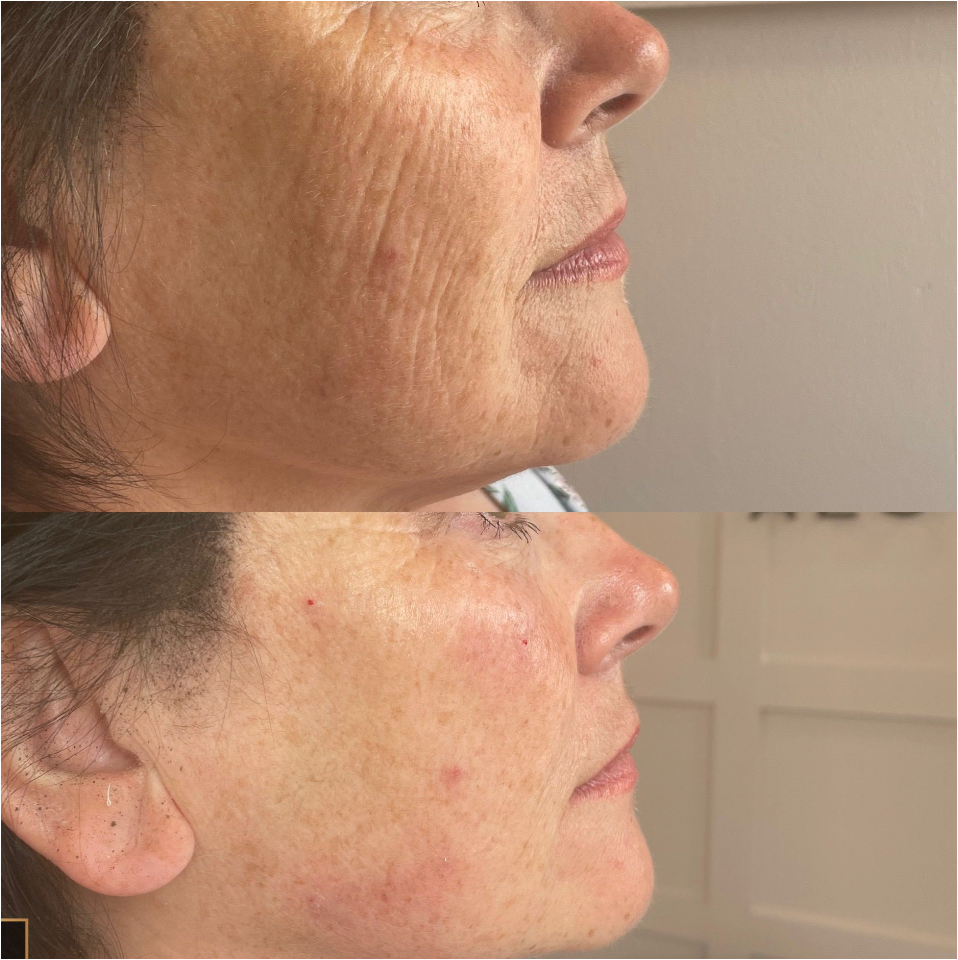
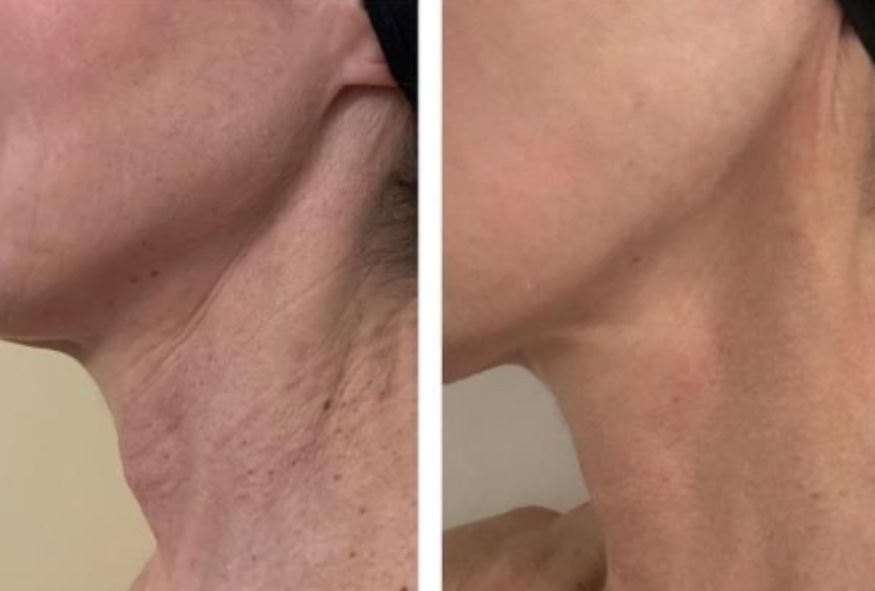
Polynucleotide Results: Before & After
What Does Botox Actually Do?
Botox works very differently.
It temporarily blocks nerve signals to muscles
This reduces movement and smooths:
- forehead lines
- frown lines
- crow's feet
Why Botox Can Be Problematic Long-Term
Botox is effective, but it has limitations:
- does not improve skin quality
- requires repeated treatments
- can weaken muscles over time
- may create a less natural look if overused
It treats movement, not skin health
Polynucleotides vs Botox: What's the Difference?
| Botox | Polynucleotides |
|---|---|
| Freezes muscles | Repairs skin |
| Reduces wrinkles | Improves skin quality |
| Instant results | Gradual results |
| Temporary | Builds over time |
| Can look unnatural | Natural finish |
Are Polynucleotides Better Than Botox?
It depends on your goal.
Choose Botox if:
- you want quick wrinkle reduction
- you're targeting deep lines
Choose Polynucleotides if:
- you want healthier skin
- you prefer natural results
- you want long-term improvement
Many clients now combine both treatments for optimal results
Considering Polynucleotides?
Get personalised advice from our skin specialists to find the right treatment for your goals.
WhatsApp for AdviceHow Long Do Polynucleotides Take to Work? (Results Timeline)
Week 1–2:
- subtle hydration
- fresher skin
Week 3–4:
- improved texture
- slight tightening
Week 6–12: PEAK RESULTS
- smoother skin
- better elasticity
- brighter appearance
How Long Do Polynucleotides Last?
- typically 4–6 months
- longer with maintenance
How Many Sessions Do You Need?
2–3 sessions spaced 2–4 weeks apart
Then:
maintenance every 4–6 months
Who Are Polynucleotides Best For?
They are ideal if you:
- want natural anti-ageing
- have tired or dull skin
- are concerned about under-eyes
- want better skin quality
Are Polynucleotides Worth It?
For the right person:
yes, especially if your goal is long-term skin health
When Should You Have Polynucleotides? (Important Timing)
If you're planning a holiday or event, timing matters.
Read more here:
FAQs
Are polynucleotides better than Botox?
They're different, polynucleotides improve skin, Botox reduces movement.
Do polynucleotides replace Botox?
No, but they can reduce the need for it.
Are polynucleotides safe?
Yes, when performed correctly by a trained practitioner.
How long do results take?
Results build gradually over weeks, with peak results at 6-12 weeks.
Recommended Reading
Before & immediately after polynucleotide treatment
These photographs show a real client immediately before treatment (left) and immediately afterwards (right). Temporary redness is a normal response following polynucleotide injections and typically settles within 24 to 48 hours. Improvements in skin quality, hydration and firmness develop gradually over the following weeks as the skin naturally regenerates collagen and elastin.
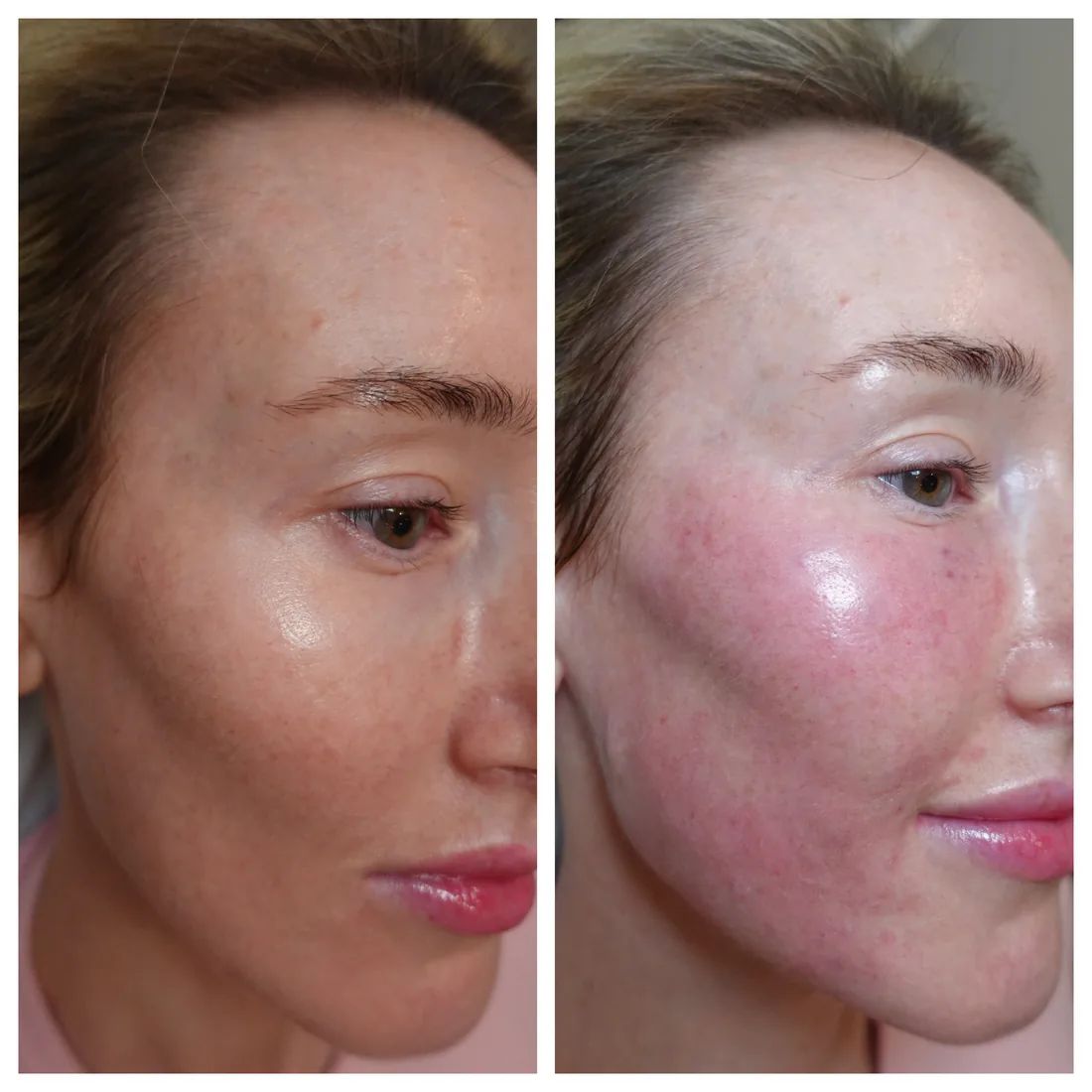
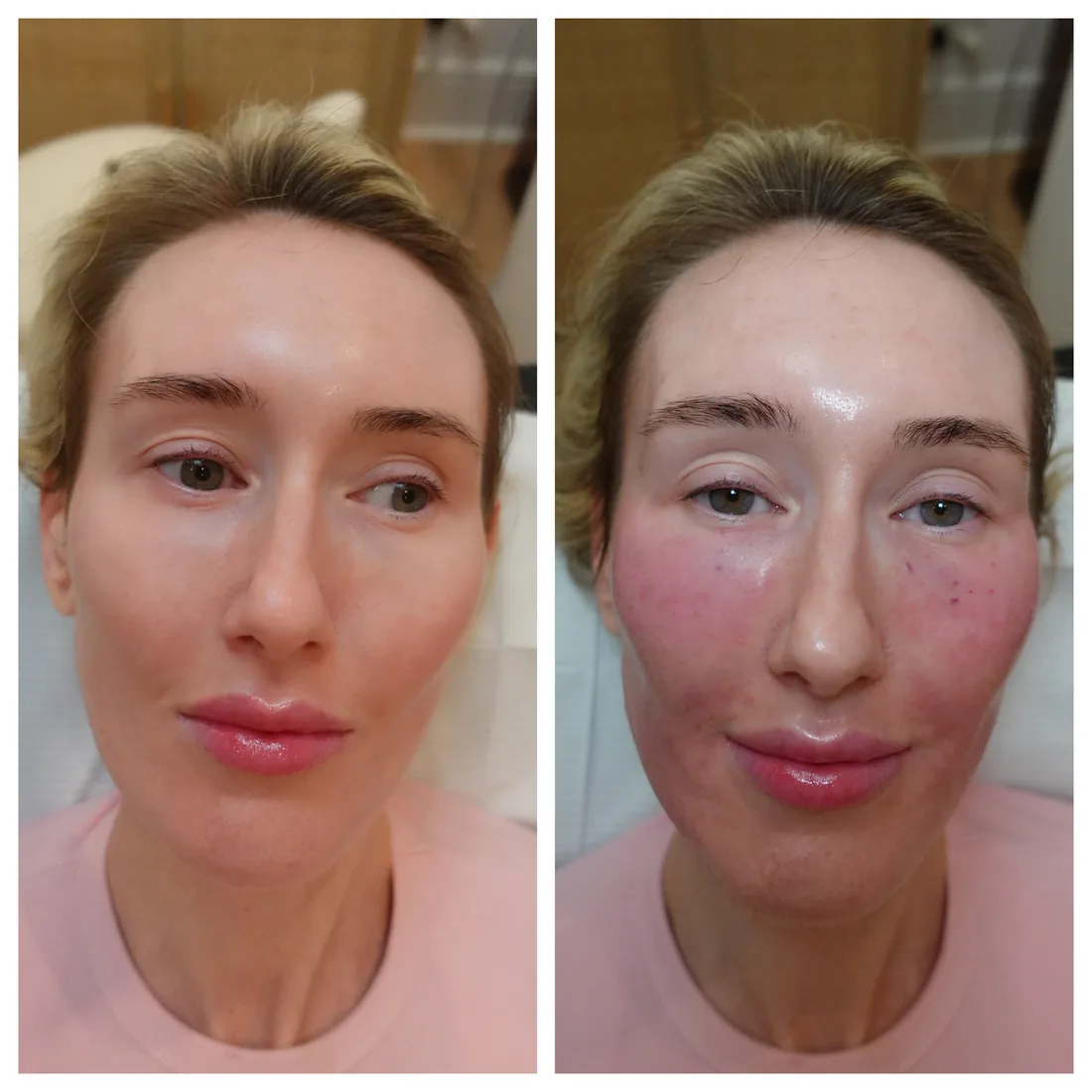
Individual results vary. Photographs are shared with client consent.
Not sure which treatment is right for you?
Describe your skin concerns and our treatment assistant will suggest suitable treatments. You can also message us on WhatsApp for personalised advice.
Message us on WhatsApp