Polynucleotides for Acne Scarring: What the Evidence Shows and What to Expect (2026)
Quick answer
Polynucleotides are a clinically evidenced treatment for atrophic acne scars, particularly rolling and shallow boxcar types. A randomised, placebo-controlled study published in Aesthetic Surgery Journal found that highly purified polynucleotides significantly improved moderate to severe atrophic acne scars compared to placebo. They work by stimulating fibroblast activity, rebuilding the dermal collagen matrix, reducing inflammation, and improving the tissue environment in which scar remodelling occurs.
Results are gradual and cumulative, typically becoming most visible after a full course of 3 to 4 sessions.
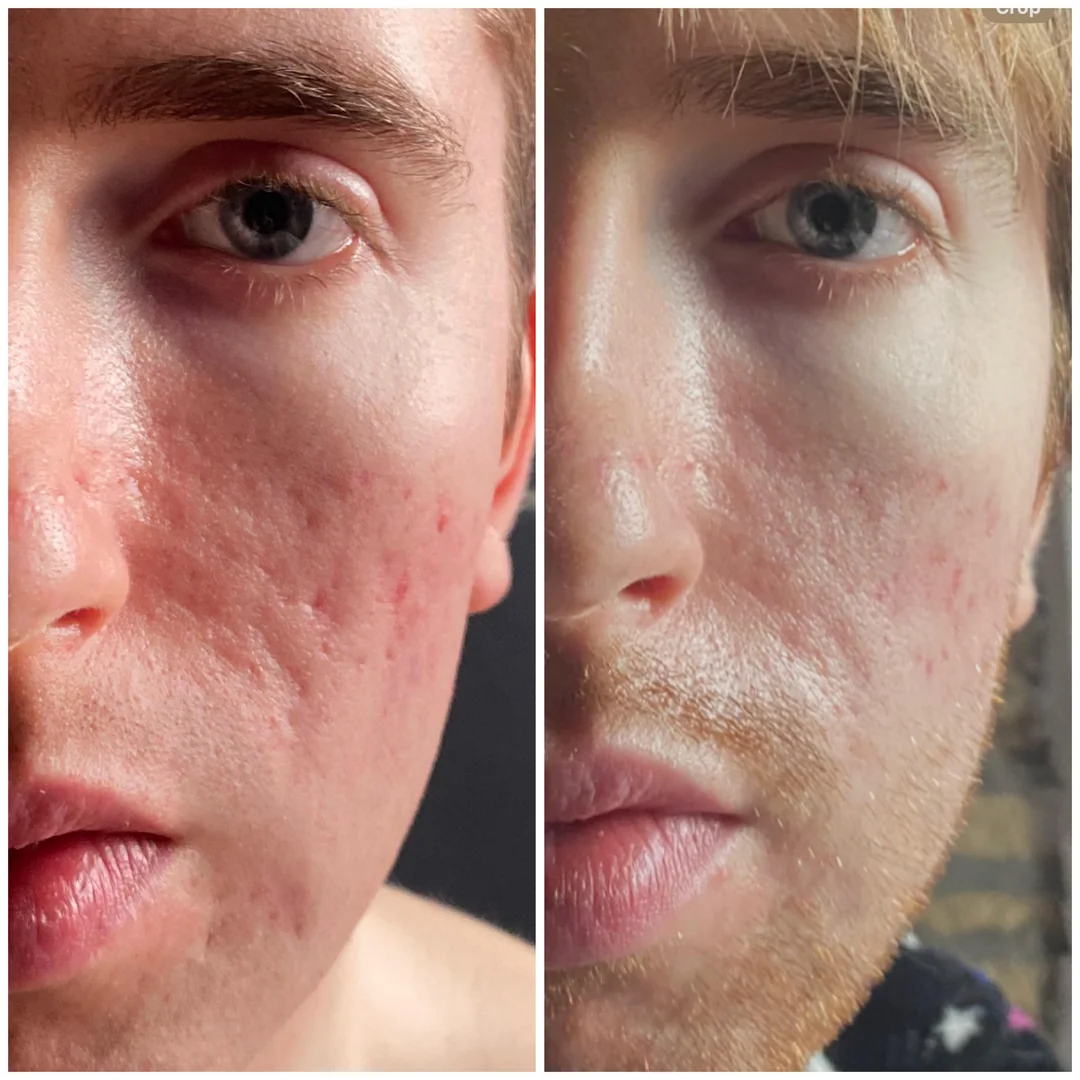
Is this you?
If several of these apply, you are likely a strong candidate for polynucleotide acne scar treatment:
- Your acne has cleared but the scars remain and affect how your skin looks and feels
- Makeup settles into the texture of your skin rather than sitting smoothly
- You have rolling or shallow boxcar scarring rather than deep icepick scars
- You want gradual, natural improvement without significant downtime
- You have been told you are not suitable for laser because of skin tone or sensitivity
- You have tried other treatments without seeing the results you hoped for
- You want to improve skin quality and reduce scarring simultaneously
On this page
Acne scarring is one of the most emotionally difficult skin concerns I see in clinic. Unlike other signs of ageing, which develop gradually, acne scars are often the permanent record of something that happened years ago, sometimes in adolescence, that still affects how someone feels about their skin every single day.
The treatments most people are told about first, lasers, deep peels, microneedling, are effective but they carry significant downtime, risk of post-inflammatory hyperpigmentation in darker skin tones, and are often not accessible or appropriate as a first step.
Polynucleotides are increasingly being used as either a standalone treatment or part of a combination protocol for acne scarring, and the clinical evidence behind them is growing. This guide explains exactly what they can do, what the evidence shows, which scar types respond best, and what a realistic treatment outcome looks like at my Fulham clinic.
Understanding acne scars: why type matters
Before discussing any treatment, it is important to understand what type of scarring is present. Not all acne scars are the same and the clinical evidence for polynucleotides applies specifically to certain types.
Atrophic scars (depressions in the skin) are the most common type and are caused by insufficient collagen production during the skin's wound-healing response. There are three subtypes:
Rolling scars
Shallow, broad depressions with sloped edges that give the skin a wavy, uneven texture. Caused by fibrous bands tethering the dermis to deeper tissue. These respond well to polynucleotides.
Boxcar scars
Wider, clearly defined depressions with sharp vertical edges, like chicken pox marks. Shallow boxcar scars respond well to polynucleotides. Deep boxcar scars may need combination treatment.
Icepick scars
Narrow, deep, V-shaped holes that extend into the dermis. These are the most difficult scar type to treat with any injectable treatment. Polynucleotides improve the surrounding skin quality but have limited impact on deep icepick scars specifically.
Hypertrophic and keloid scars (raised scars)
Caused by excessive collagen production. Polynucleotides are not the primary treatment for these. Anti-inflammatory protocols or other interventions are more appropriate.
Most clients have a mixture of scar types. Assessment at consultation is essential before recommending any protocol.
Polynucleotides vs other acne scar treatments
This is the comparison most clients researching their options need.
For a full comparison of how exosomes and polynucleotides work together, see my guide on exosomes vs polynucleotides.
What polynucleotides actually do in scarred tissue
Polynucleotides (PNs) are highly purified DNA fragments derived from salmon trout. When injected into or around acne scarred tissue, they work through several mechanisms simultaneously:
Fibroblast activation
Polynucleotides directly stimulate fibroblasts, the cells responsible for producing collagen and elastin. In scar tissue, fibroblast activity is suppressed and the collagen network is disorganised. PN injections reactivate this process, encouraging new, structurally organised collagen to form in the scarred area.
Dermal matrix rebuilding
PN therapy led to obvious dermal thickening and smoother skin after numerous sessions in individuals with atrophic acne scars, particularly rolling and shallow boxcar types. This is the core mechanism: the dermis becomes thicker and more structurally sound, which gradually fills in the depressed scar from beneath.
Inflammation regulation
PN regulates inflammation by promoting healing in macrophages and lowering cytokines such as IL-6 and TNF-alpha. This dual action creates an environment in which scarred tissue can remodel more efficiently. This anti-inflammatory effect is particularly valuable in clients with active or recently active acne, where ongoing inflammation would otherwise interfere with healing.
Microcirculation improvement
Polynucleotides stimulate VEGF (vascular endothelial growth factor), which supports the growth of new blood vessels in the treatment area. Improved microcirculation means better nutrient and oxygen delivery to the tissue, which supports the remodelling process.
Water retention and hydration
The hydrophilic nature of polynucleotide molecules attracts and retains water within the dermis, improving the overall tissue environment and contributing to smoother skin texture.
The clinical evidence
This is where polynucleotides for acne scarring stand out from many competing treatments: there is genuine published clinical research behind this application.
A prospective and randomised study showed that PN-HPT in monotherapy was safe and effective for atrophic scar acne compared with placebo. This is an Aesthetic Surgery Journal study using Antera 3D imaging and patient satisfaction questionnaires to measure outcomes at 1 and 3 months.
PN HPT significantly improved moderate to severe atrophic acne scars in adult women compared to placebo. This finding from a 2026 real-world assessment in the Journal of Cosmetic Dermatology confirms that the clinical trial results translate into real-world practice.
When paired with proven treatments like fractional lasers, microneedling, radiofrequency microneedling, or subcision, PN gave better results than monotherapy. This supports the use of polynucleotides as part of a combination protocol for more significant scarring, not just as a standalone option.
This evidence base is not exhaustive and more long-term studies are needed. But it is significantly stronger than many treatments marketed for acne scarring, and it is continuing to build.
Not sure whether your scars are suitable? Send me a photo on WhatsApp and I will tell you honestly what I think the best starting point is.
Get honest adviceWhich acne scars respond best to polynucleotides?
Being honest about this matters. Polynucleotides are not the right primary treatment for every scar type.
Strongest response
- Rolling scars: excellent. The broad, shallow nature of rolling scars means the surrounding tissue improvement from polynucleotides produces visible improvement in scar depth and skin texture.
- Shallow boxcar scars: good. The dermal thickening effect fills in shallow depressions meaningfully over a course of treatment.
Moderate response
- Deep boxcar scars: moderate. Polynucleotides improve the surrounding skin quality and reduce the contrast between scar and normal skin, but deep boxcar scars often need combination treatment (subcision, microneedling, or laser alongside polynucleotides) for significant improvement.
- Post-inflammatory hyperpigmentation (PIH): good. The anti-inflammatory and microcirculation-improving properties of polynucleotides help reduce the redness and dark marking left by healed acne, even where there is no structural scar.
Limited response
- Deep icepick scars: polynucleotides improve surrounding skin quality and reduce visibility somewhat, but cannot significantly alter the depth or structure of deep narrow channels. Punch excision or TCA CROSS are more appropriate primary treatments for icepick scars specifically.
- Raised hypertrophic or keloid scars: not indicated.
At consultation I will assess your scar types honestly and tell you what realistic improvement looks like for your specific presentation.
Why I use Plenhyage XL Strong for acne scarring
At my Fulham clinic I use two polynucleotide products. For acne scarring specifically, Plenhyage XL Strong is typically my first choice.
Plenhyage XL Strong (Bioformula, Italy)
- CE0373 certified Class III medical device
- 25mg/ml concentration of polymerised PDRN
- The highest concentration polynucleotide product I use
- Specifically designed for intensive tissue repair, deep scarring, and significant skin deterioration
- Strong fibroblast activation and anti-inflammatory properties
- Particularly indicated for clients with photoaged, damaged, or structurally compromised skin
The higher 25mg/ml concentration produces a more intense regenerative response than standard formulations, which is exactly what acne scarring requires. Scar tissue needs significant fibroblast stimulation to reorganise and rebuild. A higher-concentration product drives this more effectively.
Plenhyage XL is best suited to patients with fine lines, wrinkles, acne scars and signs of ageing on the face and body. Whether your skin requires repair or rejuvenation, Plenhyage XL has been scientifically proven to improve elasticity, hydrate skin and boost collagen production.
For clients with milder scarring or more sensitive skin, Vitaran at 20mg/ml may be more appropriate. I assess this individually at consultation.
You can read the full product comparison in my polynucleotides cost UK guide.
Polynucleotides vs laser: the key distinction
This is the comparison most relevant for clients with darker skin tones or sensitivity concerns. Laser resurfacing is effective for acne scarring but carries a meaningful risk of post-inflammatory hyperpigmentation in Fitzpatrick skin types IV to VI, along with several days of downtime. Polynucleotides carry a very low pigmentation risk and minimal downtime, which makes them a safer starting point for many clients who are not ideal laser candidates.
Combined approaches appear to decrease downtime and post-procedure irritation and speed up visible remodelling. For clients with more significant or mixed scarring, combining polynucleotides with microneedling with exosomes produces stronger results than either treatment alone.
You can read more about how this works on my microneedling with exosomes Fulham page.
Who is a good candidate?
You are likely a strong candidate for polynucleotide acne scar treatment at my Fulham clinic if:
- You have atrophic acne scarring, particularly rolling or shallow boxcar scars
- You have darker skin tone and are concerned about post-inflammatory hyperpigmentation from laser or aggressive treatments
- You have sensitive, reactive, or rosacea-prone skin that does not tolerate more aggressive treatments
- You want a gradual, low-downtime treatment rather than an intensive procedure
- You are looking for skin quality improvement alongside scar reduction
- You have mild to moderate scarring and want a non-invasive starting point
- You are using polynucleotides as a primer or complement to a more intensive procedure later
Who is not the right candidate?
I will always tell you honestly at consultation if polynucleotides are not the best primary option for your concerns. You may not be an ideal candidate for polynucleotides as the primary acne scar treatment if:
- Your scarring is primarily deep icepick scars, which require different treatment modalities
- You have raised hypertrophic or keloid scars
- You have severe, widespread deep atrophic scarring where a combination protocol from the start is more appropriate
- You have an allergy to fish proteins (polynucleotides are salmon-derived)
- You are pregnant or breastfeeding
In these situations I will recommend the most appropriate protocol or combination approach for your specific presentation.
What this looks like in practice
This is one of the most emotionally significant consultations I have at my Fulham clinic. Acne scarring affects confidence in a way that goes beyond aesthetics. Clients often describe feeling like their skin tells a story they want to move on from.
A typical client I see for this concern is someone in their late 20s to early 40s. They had moderate to severe acne in their teens or early 20s. The acne itself has resolved but the rolling and shallow boxcar scars remain. They have considered laser treatment but are concerned about downtime, cost, or pigmentation risk. Their skin may still be somewhat reactive or sensitive.
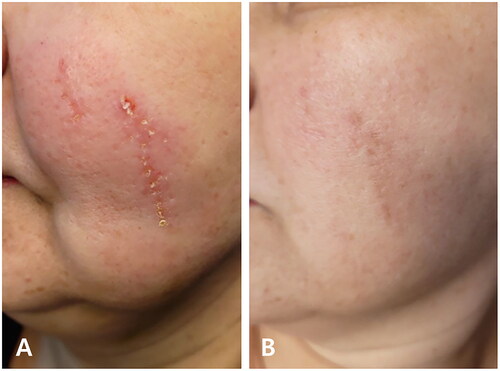
Over a course of 3 to 4 Plenhyage XL Strong sessions, this client typically sees the skin become progressively thicker, smoother, and more uniform in texture. The rolling scars become less pronounced as the dermal matrix rebuilds beneath them. Post-inflammatory redness fades. The skin looks genuinely healthier, not just treated.
It is gradual. It is not dramatic after a single session. But by the end of a full course, the cumulative improvement is meaningful and the results last.
Are your scars suitable?
Send me a photo on WhatsApp
I will tell you honestly whether polynucleotides alone, a combination protocol, or a different starting point would give you the best outcome, with no sales pressure.
Send a photo on WhatsAppWatch a Treatment in Clinic
The maintenance question
Acne scar treatment with polynucleotides is not a one-session fix. Here is what a realistic programme looks like:
Initial course
3 to 4 sessions of Plenhyage XL Strong, spaced 3 to 4 weeks apart. This is where the most significant remodelling occurs.
Results timeline
Improvement is visible from session 2 onward and continues building for 8 to 12 weeks after the final session as collagen synthesis peaks. The most noticeable results are often at 3 months after completing the course, not immediately after each appointment.
Maintenance
Most clients with acne scarring benefit from a maintenance session every 6 to 9 months to sustain the skin quality improvement and support ongoing remodelling. For clients combining with microneedling with exosomes, the combined maintenance programme is tailored to both treatments.
For the full breakdown of how long polynucleotide results last, see my dedicated guide on how long do polynucleotides last.
Combining polynucleotides with other treatments
For clients with more significant scarring, a combination approach is often the most effective pathway.
Polynucleotides and microneedling with exosomes
This is the most powerful combination for acne scarring available at my Fulham clinic. The polynucleotides rebuild the structural dermal matrix. The exosomes applied during microneedling accelerate cellular signalling, reduce inflammation, and enhance the overall repair response. The mechanical stimulation from microneedling also helps break up fibrous scar bands in rolling scars.
Results from the combined protocol are consistently stronger than either treatment alone, particularly for clients with mixed scar types or more widespread scarring. See my guide on microneedling with exosomes for more detail on how this works.
Polynucleotides as a primer before laser
Their safety and effectiveness have been demonstrated as a priming strategy before other aesthetic treatments, such as laser or filler procedures. For clients considering fractional laser resurfacing, completing a polynucleotide course first strengthens the dermal infrastructure, potentially improving laser results and recovery.
Pricing at my Fulham clinic
Most clients with acne scarring benefit most from a full course of 3 to 4 sessions. A single session produces improvement but the cumulative regenerative response of a full course produces significantly better and longer-lasting results.
For full pricing context across the regenerative range, see my polynucleotides cost UK guide, and the full treatment page on polynucleotides Fulham. For under-eye specific treatment, see polynucleotides under eyes.
Complimentary Red Light Therapy
Included at no additional cost with qualifying skin treatments.
All regenerative skin treatments at Georgina’s Fulham studio include complimentary professional Red Light Therapy.
Our professional system combines 630nm and 660nm red light with 810nm, 830nm and 850nm near infrared wavelengths. These wavelengths have been widely studied for their ability to support skin health, cellular energy production and collagen synthesis.
As part of our regenerative approach to skin health, we include professional Red Light Therapy after qualifying treatments to support the skin during the recovery phase and enhance the overall treatment experience at no additional cost.
This is provided complimentary with all qualifying skin treatments as part of our regenerative approach to skin health.
Learn more about red light therapyFrequently asked questions
Recommended reading
Polynucleotides Fulham
The full treatment page and what to expect.
ViewPolynucleotides under eyes
Dark circles, crepiness and tear trough alternative.
ViewHow long do polynucleotides last?
Results duration by area and product.
ViewExosomes vs Polynucleotides
How the two regenerative treatments compare.
ViewMicroneedling with Exosomes
The most powerful combination for acne scarring.
ViewAcne scar treatment · Fulham SW6
Book your consultation in Fulham, London
My Skin Consultation is £50, redeemable against eligible treatments of £250 or more. I will assess your scar types, give you an honest assessment of what polynucleotides can realistically achieve, and recommend the right protocol. Send me a photo on WhatsApp and I will tell you honestly which approach would give you the best outcome.
South Park Studios, 88 Peterborough Road, Fulham SW6 3HH
Serving clients across Fulham, Chelsea, Wandsworth, Battersea, Clapham, Putney and South West London.
This article is for informational and educational purposes only. It does not constitute medical advice. Always consult a qualified practitioner before starting any aesthetic treatment.